
HANDS OVER is a psychological tabletop party game for 2 to 5 players, and it is mostly about keeping your nerve while everyone around you tries to break it. I put this guide together so you can walk into a lobby knowing how the table works, when to play your cards, and how to survive the late rounds.
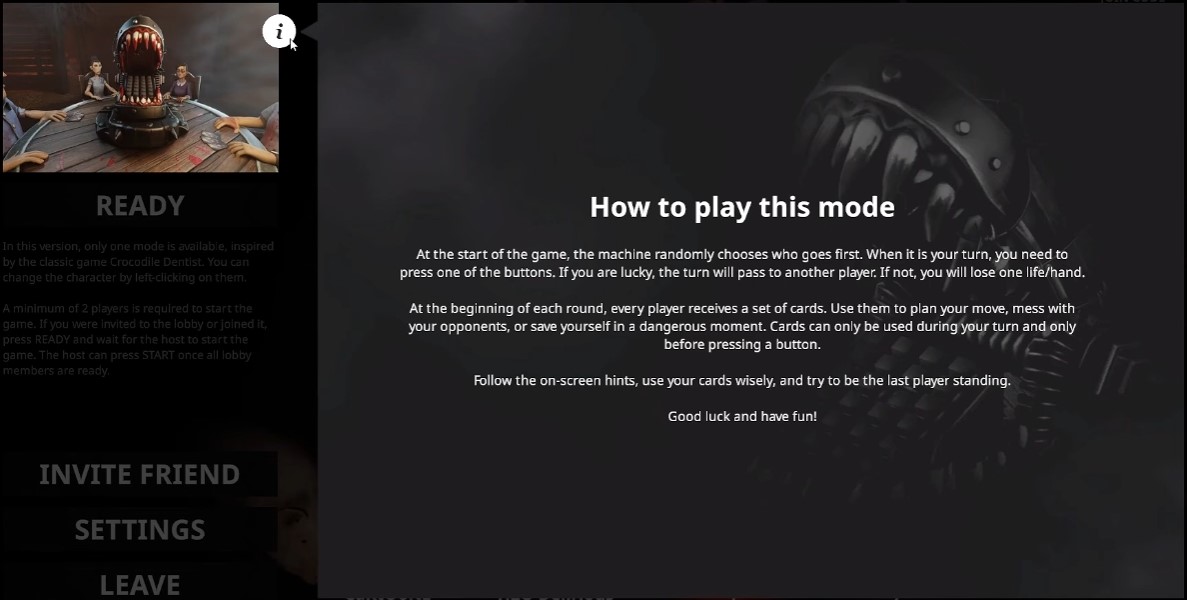
One thing to know up front: the game only supports Mouse & Keyboard.
How a Round Works
The goal is simple. Be the last player left at the table. Every round knocks out or damages anyone who fails a mechanism check, runs out of time, or gets caught in someone else’s trap.
Each round moves through the same beats:
- Card Draw and Preparation — you receive or hold Influence Cards before the mechanism wakes up.
- The Device Phase — the device in the middle of the table needs input from you. That can mean pressing triggers, testing luck slots, or finishing a quick nerve check.
- Sabotage and Resolution — players burn cards to change turn order, force extra presses, or shield themselves right before the trap fires.
Get your microphone ready. Voice chat is half the battle here, and staying silent the whole match costs you a tool you will want later.
The Device Types
The game keeps rotating through different tabletop contraptions, and each one pressures you in a different way.
| Mechanism Type | How It Works | Survival Tip |
|---|---|---|
| Luck / Trigger Devices | Built like classic Russian Roulette or Crocodile Dentist setups. Several switches or slots, and one or more of them are live traps. | Count the safe slots that are left. After the second safe press, the odds of hitting a trap climb fast. |
| Nerve & Timing Checks | Precise inputs under visual and audio pressure while other players try to distract or sabotage you. | Tune out voice chat during your input window. Watch the mechanism’s visual cues and nothing else. |
| Escalating Risk Rounds | As players drop out, the number of safe options shrinks and hesitation gets punished harder. | Never go into the final two without at least one defensive or turn-skipping card in hand. |
Influence Cards and When to Use Them
Influence Cards are how you bend the table’s rules. Knowing when to sit on a card and when to strike is what separates the last player standing from the first one gone.
Offensive / Sabotage cards
- Force Action / Extra Turn — makes a target opponent interact with the device one more time on their turn. This is best when only 2 or 3 triggers remain on a luck device and the trap odds are 50% or higher.
- Target Lock / Redirect — moves the active turn or the penalty straight onto a player you choose. Save it for someone acting too confident or hoarding cards without taking any risk.
Defensive / Utility cards
- Skip / Pass Turn — lets you bypass your interaction with the mechanism entirely. Use it when you sit right after a player who survived a high-probability safe press, because the trap is almost certainly waiting for you.
- Shield / Second Chance — cancels the penalty of one triggered trap. Keep it hidden as late-game insurance. Do not tell anyone over voice chat that you are holding it.
Chaos / Table-Control cards
- Reverse Order — flips the direction of play. If a player is setting up a combo to trap the person next to them, reversing the order often walks them into their own trap.
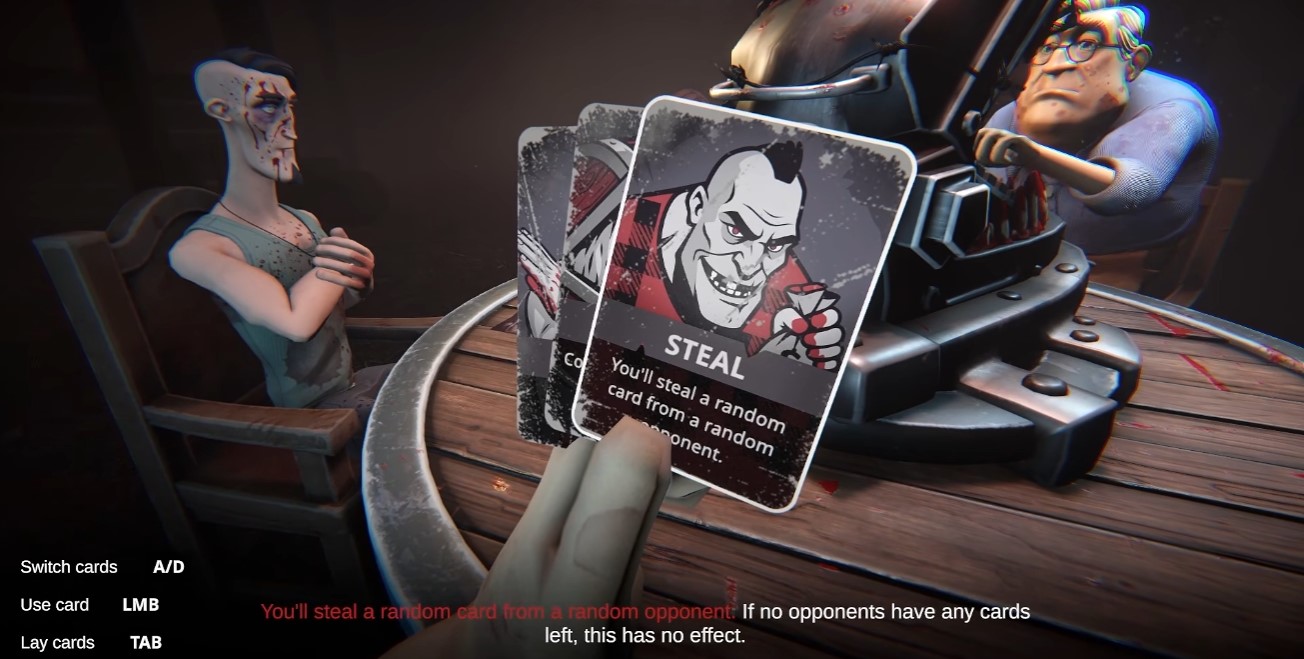
- Swap / Steal — trades cards or positions with another player. Watch for opponents who survive several rounds without playing anything. That is a clear sign of a strong hand.
Psychological Warfare and Advanced Strategy
Mechanics are only half of a win in HANDS OVER. The other half is table politics, and this is where I see most new players lose.
Play the harmless victim. The players who brag, laugh maniacally, or threaten the whole table become the number one target for everyone’s sabotage cards. Stay quiet, act a little nervous early, and let the loudest players knock each other out.
Count cards and read hands. Pay attention to who stops playing cards during tense moments. If someone faces 1-in-2 trap odds without flinching or playing anything, they either have a Shield or they are bluffing hard.
Make fake alliances. Team up with the player sitting right before or after you in turn order. Agree not to sabotage each other until the rest of the table is gone, then be ready to betray them the second it turns into a 1v1.
Control your pace. Take the same amount of time on every turn, around 2 to 3 seconds, so opponents cannot tell if you are panicked or confident.
Achievements and Early Access Notes
There are 4 achievements at launch. They focus on surviving full 5-player lobbies, winning a match without taking damage or triggering a trap, and eliminating opponents with Influence Card combos.
Because the game is in Early Access, keep this in mind: do not open and rapidly toggle heavy graphics or language settings while you are inside an active lobby. The UI can freeze occasionally. If your screen locks up in the menu, use Alt + F4 to restart quickly without losing your group’s lobby code.
Conclusion
HANDS OVER rewards patience more than flash. Keep your cards close, keep your face calm, and let the loud players take each other out.


