
If you’re a fan of idle and AFK RPGs, you’ve probably tried a few where you just sit back and watch your team do all the work. This game is exactly that kind of experience — it plays itself in the background while you help your squad grow stronger. But to make real progress, you need to know what to prioritize from the start. In this guide, I’ll walk you through everything I’ve learned from playing: which class to pick first, how to spend your skill points wisely, what runes matter most, how the cube system works, and what loot is worth keeping or selling. Let’s jump right in.
Which Class Should You Start With?
Like most RPGs, this game gives you several classes to choose from at the beginning:
- Ranger
- Knight
- Priest (free DLC)
- Wizard
- Hunter (DLC)
- Assassin (DLC)
Based on my personal experience, the Ranger offers the smoothest start. It has a fast attack speed and solid ranged damage, which makes clearing waves easy and stress-free for a good while. For your second party member, I strongly recommend the Knight. With high HP and armor, the Knight acts as a living shield for your Ranger, tanking hits and keeping the pressure off your damage dealer. Finally, round out your team with a Priest. The Priest keeps the Knight alive with healing, which lets the Ranger keep dealing damage without interruption.
Your final team composition should look like this:
Knight + Priest + Ranger
How to Allocate Skill Points for Real Progress
Now let’s talk about how to spend your skill points so you actually feel your characters getting stronger.
Ranger (Up to Level 10)
Early on, focus on flat damage and attack speed. For the first three levels, put all points into flat damage — there’s no point investing in attack speed yet because your base damage is too low for the 4% bonus to make a difference. After that, pick the skill that lets you fire three quick shots at a single target (don’t take the triple shot skill that hits three different enemies — it spreads your damage too thin). Put one point into that skill, then dump four points into attack speed, and finish off by maxing the skill.
Ranger (Levels 10 to 19)
Once you hit level 10, here’s the plan: if you don’t have a second skill slot yet, keep putting all available points into the three quick shots skill and attack speed. When you finally unlock the second skill slot, reset all points from the first skill and invest them into “Rain of Arrows” instead. Put the remaining points into critical hit chance.
Knight (Up to Level 10)
Since the Knight is your tank, put your first eight points into Health Boost. Then put one point into the skill and one point into Attack Damage Boost.
Knight (Levels 10 to 19)
After level 19, max out Armor Boost first. Armor is the Knight’s most important stat — the more armor he has, the longer he survives, which means more time for your Ranger to deal damage.
Priest (Up to Level 10)
The Priest’s job is simple: heal and buff the team. Put your first points into the Heal skill so your Knight stays alive longer. Then dump the rest into HP. Why HP? Because for some reason, the Priest is a melee character in this game and takes hits right in the front line.
Priest (Levels 10 to 19)
When you unlock the second skill slot, immediately put new points into Blessing of Strength. This buff gives you and your allies a ridiculous 90% damage boost. If you don’t have the second slot yet, just keep putting points into HP and armor.
Runes – What They Are and What Matters Most
Runes are basically a passive skill tree that you buy with gold. The most important rune on the tree is the one that unlocks your second party member. After that, you’ll have two paths to choose from depending on your playstyle: Active or Offline.
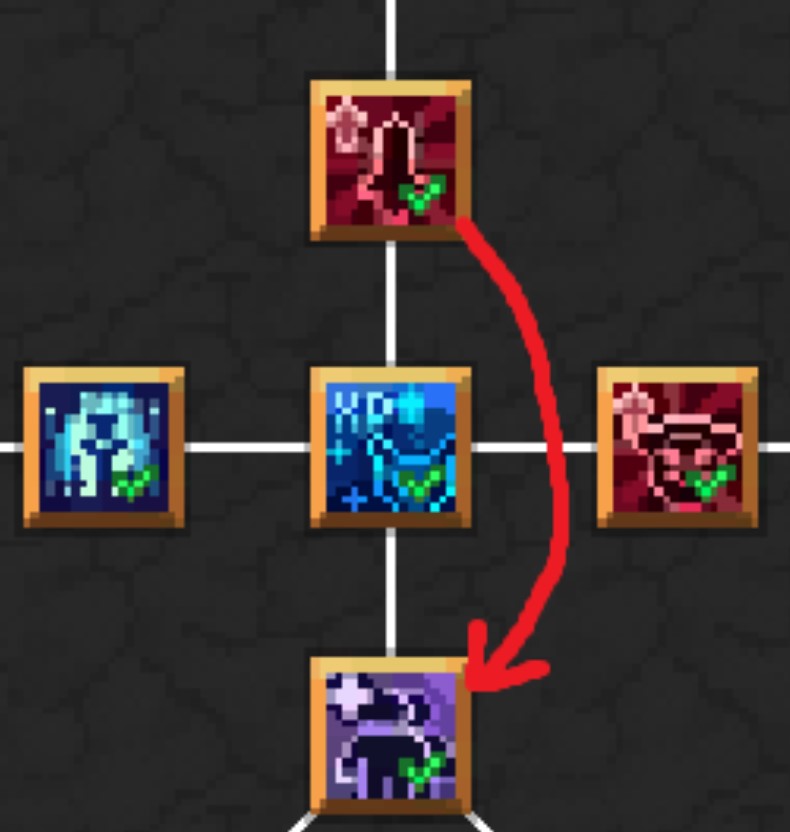
If you plan to stay in the game most of the time, you can skip some runes that aren’t urgent — like the Rest Rune — and come back to them later. Your main goal should be saving up for the third party member and the second skill slot, which you should aim to unlock by levels 11 to 13.
What Is the Cube and How Does It Work?
The cube is a special system in the game that gives you additional bonuses or effects. Think of it as a multiplier for your progress. You’ll want to interact with it regularly, but don’t overthink it early on — just focus on unlocking it and using it when you can.
Loot Basics and What You Can Sell 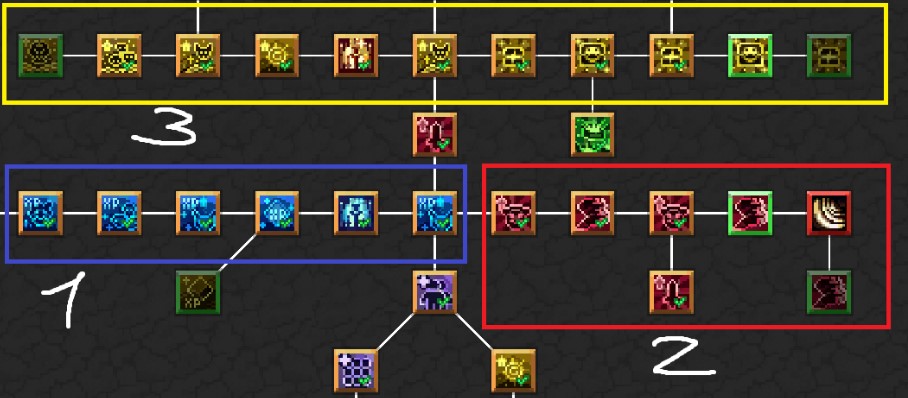
Not all loot is worth keeping. Early in the game, focus on gear that boosts flat damage, attack speed, HP, and armor. Anything that doesn’t directly help your core stats can be sold for gold. Gold is essential for buying runes and unlocking new party members, so don’t hoard items you won’t use.
Final Thoughts
To sum it all up: start with a Ranger, add a Knight and a Priest to your team, and focus your skill points on flat damage and attack speed for the Ranger, armor and HP for the Knight, and healing and buffs for the Priest. Prioritize runes that unlock party members and skill slots, and sell loot that doesn’t help your core stats. The cube is useful but not something to stress over early on.


