
The yellow and white seaside puzzle in Big Walk is the rare co-op challenge that actually punishes sloppy communication. One player counts faces, the other decodes symbols, and if either of you fumbles the numbers, you’re restarting the timer and doing it all over again. The good news: once you understand the division of labor and the arithmetic trick for oversized totals, the whole thing takes under two minutes to execute. Here’s the full breakdown, from entering the puzzle room to dropping the gourd.
Getting to the Puzzle Room and Starting the Timer
Before anything else, both players need to reach the facility that houses the puzzle. This is a two-player requirement — there is no solo workaround. One player stands at the counting position inside the room, and the other waits at the tile-and-telescope station outside. If you’re exploring the seaside area and notice other similar challenges nearby, the Green Flare Puzzle Guide covers another of these hidden encounters worth checking out after you finish this one. 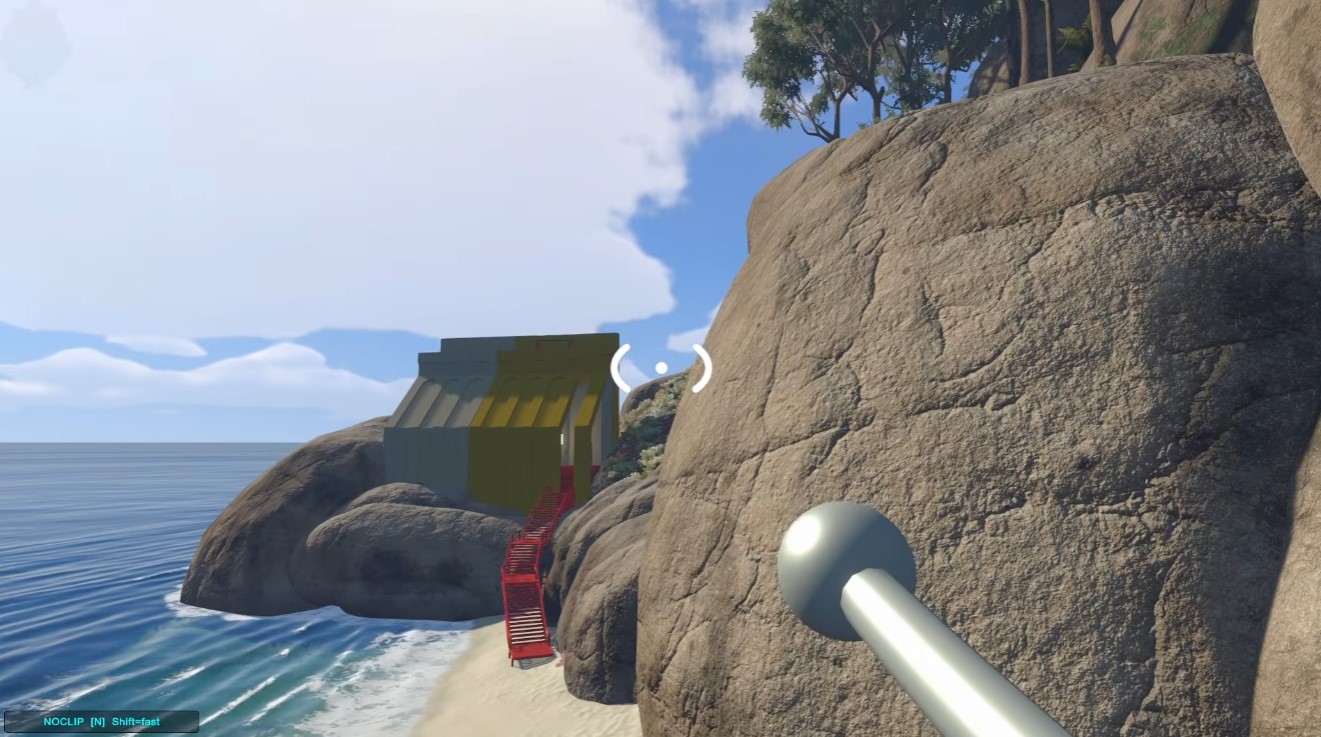
Once you’re both in position, enter the facility and locate the puzzle room. Open the door, step inside, and close it behind you. The room immediately starts a countdown timer — this is your cue that the sequence has begun. There’s no “ready” prompt, so make sure both players are locked in before that door closes.
Counting the Faces: The 15-Second Window
With the timer running, a series of faces will appear in sequence. They show up one at a time, and your job is to count them as they flash by. In a standard run, you’ll count from 2 up to 16 — that’s 15 distinct appearances, each one lasting roughly a second. Call the numbers out loud as they appear. If you blink or lose track, you’re done; there’s no pause and no replay.
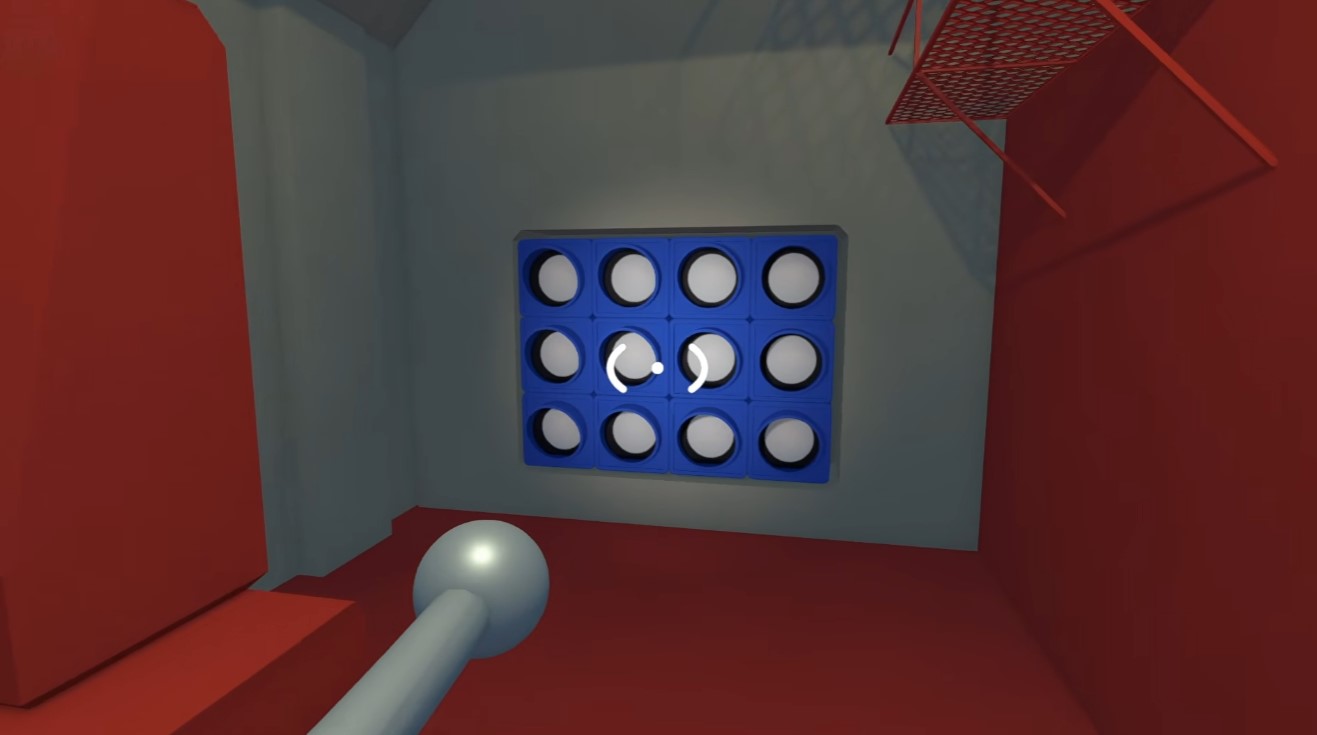
The sequence ends when the lights cut out. That’s the hard stop. At that point, the counting player relays the final total to the partner. The partner’s job now is to translate that number into the symbol system.
Assigning Values to Symbols
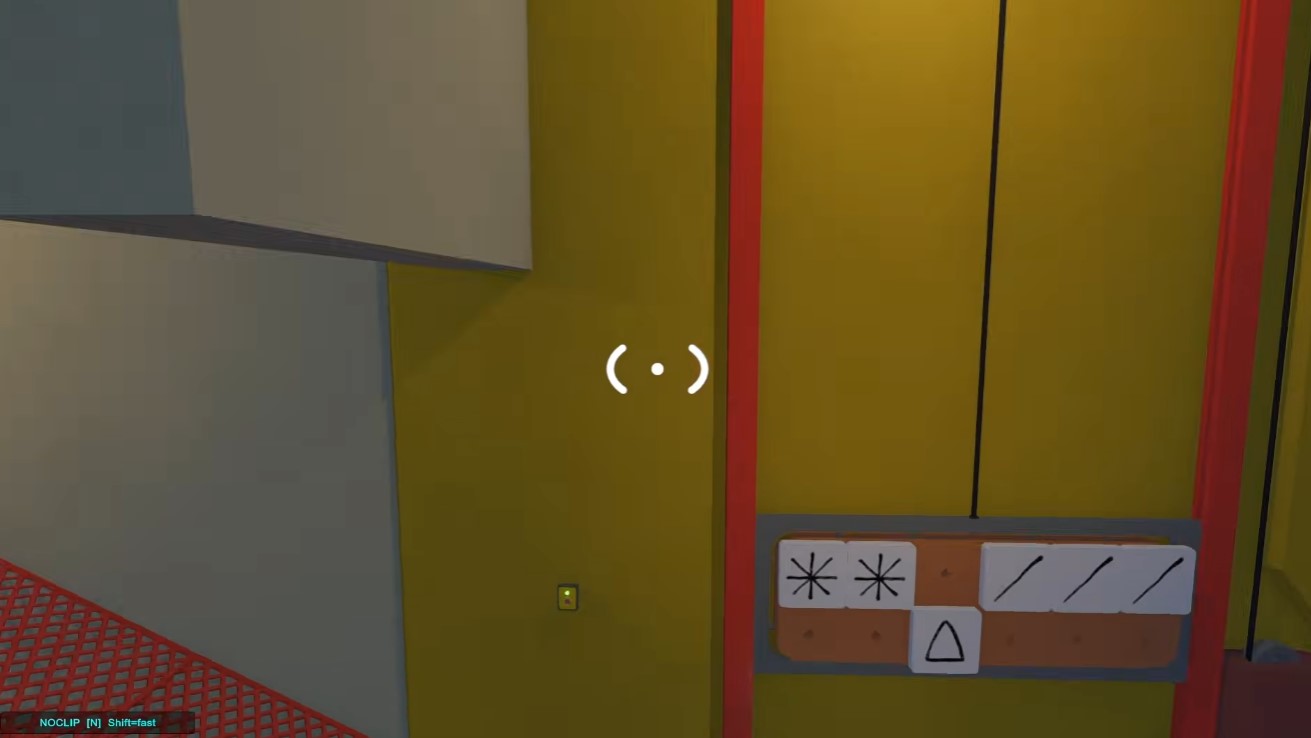
Here’s where the puzzle gets interesting. The faces you counted don’t map directly to a number on the input tile. Instead, they correspond to symbols — asterisks, triangles, and other shapes that appear on the board. You need to establish which symbol holds which value before you can input anything.
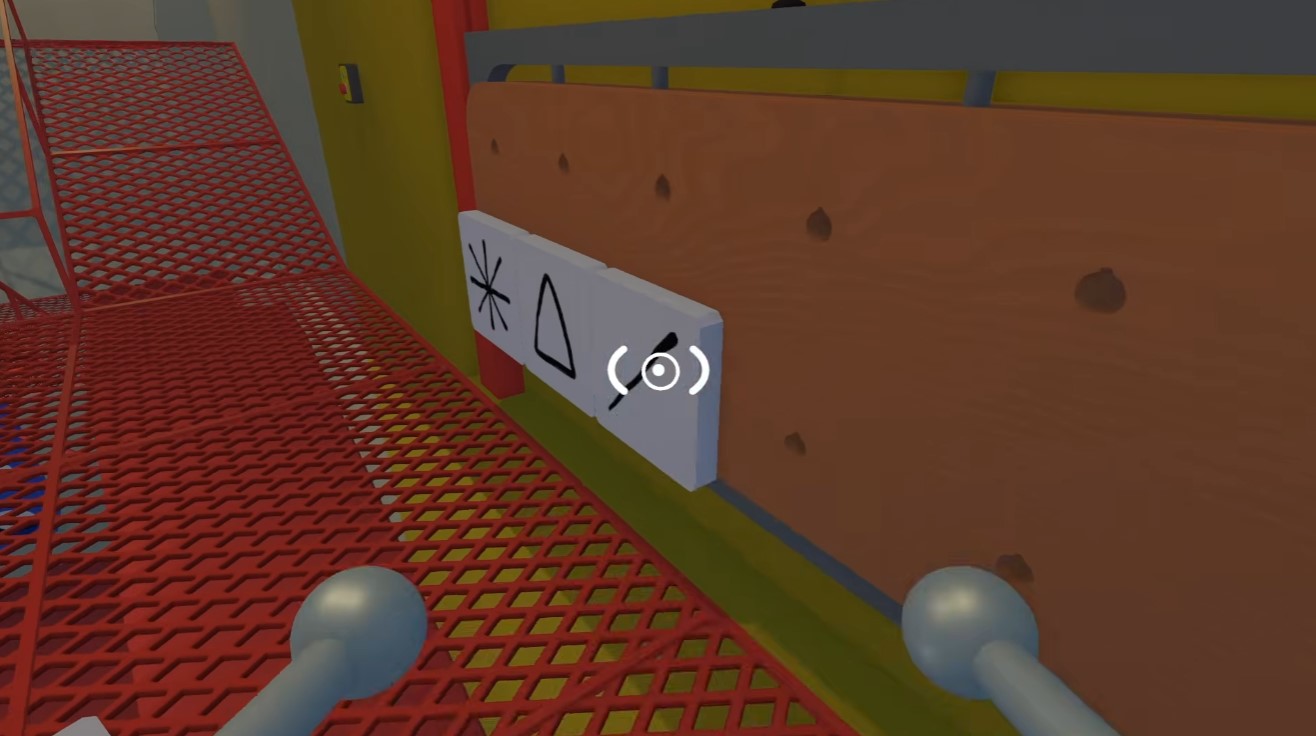
For example, in a typical run:
| Symbol | Assigned Value |
|---|---|
| Asterisk | 10 |
| Triangle | 5 |
| Circle | 16 |
These values aren’t fixed — they change between attempts. The counting player needs to note which symbol appeared last and communicate that to the partner, who then checks the board to see what values are available. The final count (say, 16) needs to match a symbol’s value on the board.
Sending the Value and Inputting the Answer
Once you’ve matched the count to a symbol value, the partner presses the button to send that value up into the sky. The number projects upward as a visual confirmation — this is your chance to verify before committing.
Fly over to the target tile and input the number you’ve agreed on. Press the button again, and the count will start ticking upward on the display. If the number matches what the counting player saw, you’ll get a circle confirmation and the gourd drops. Done.
When the Target Number Exceeds the Board
Sometimes the count you end up with isn’t directly available on the board. If the target is 19 but the board only shows values up to 20, you can’t just type it in. This is where the arithmetic layer kicks in.
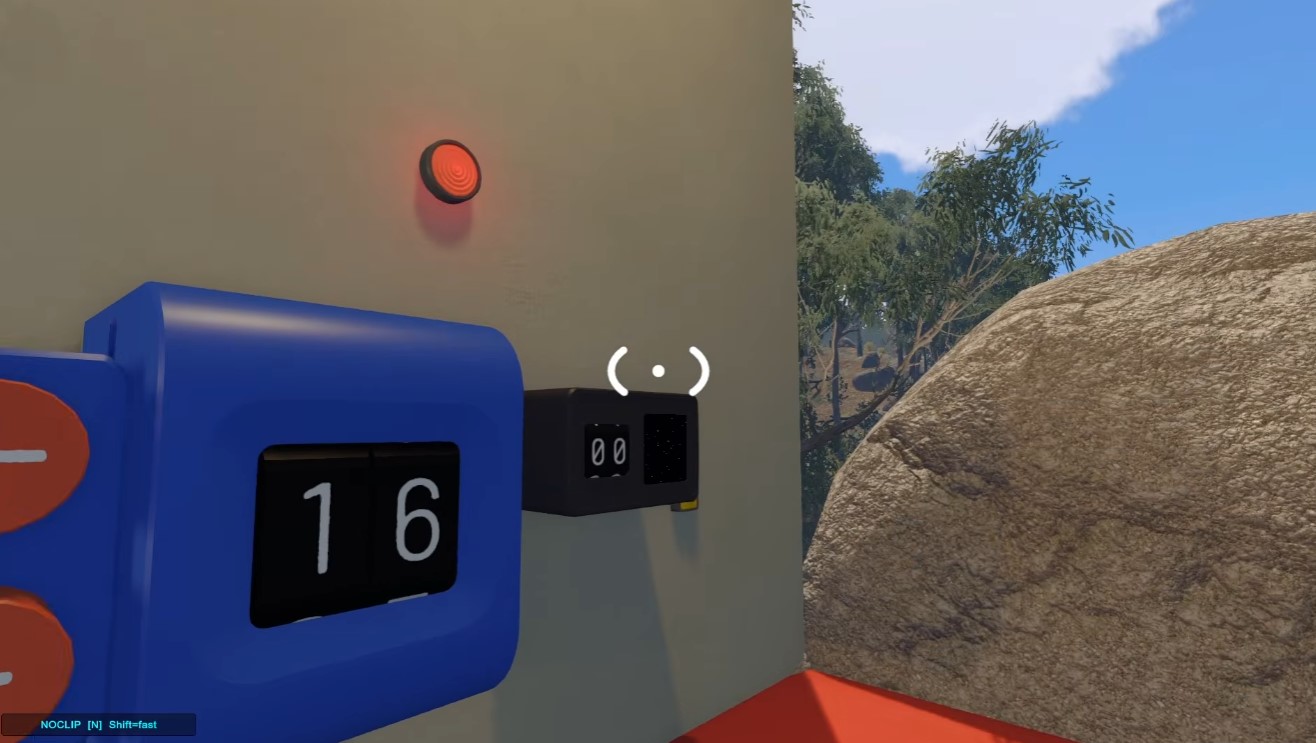
The board supports addition and subtraction chains. Suppose you need to represent 18. The board has a 20, a 5, and a 3 available. You’d construct the equation 20 – 5 + 3 = 18. Press the button to send that equation skyward, then look through the telescope to verify the math reads correctly. The display will show the intermediate steps — 20 – 5 = 15, then 15 + 3 = 18 — confirming the chain works.
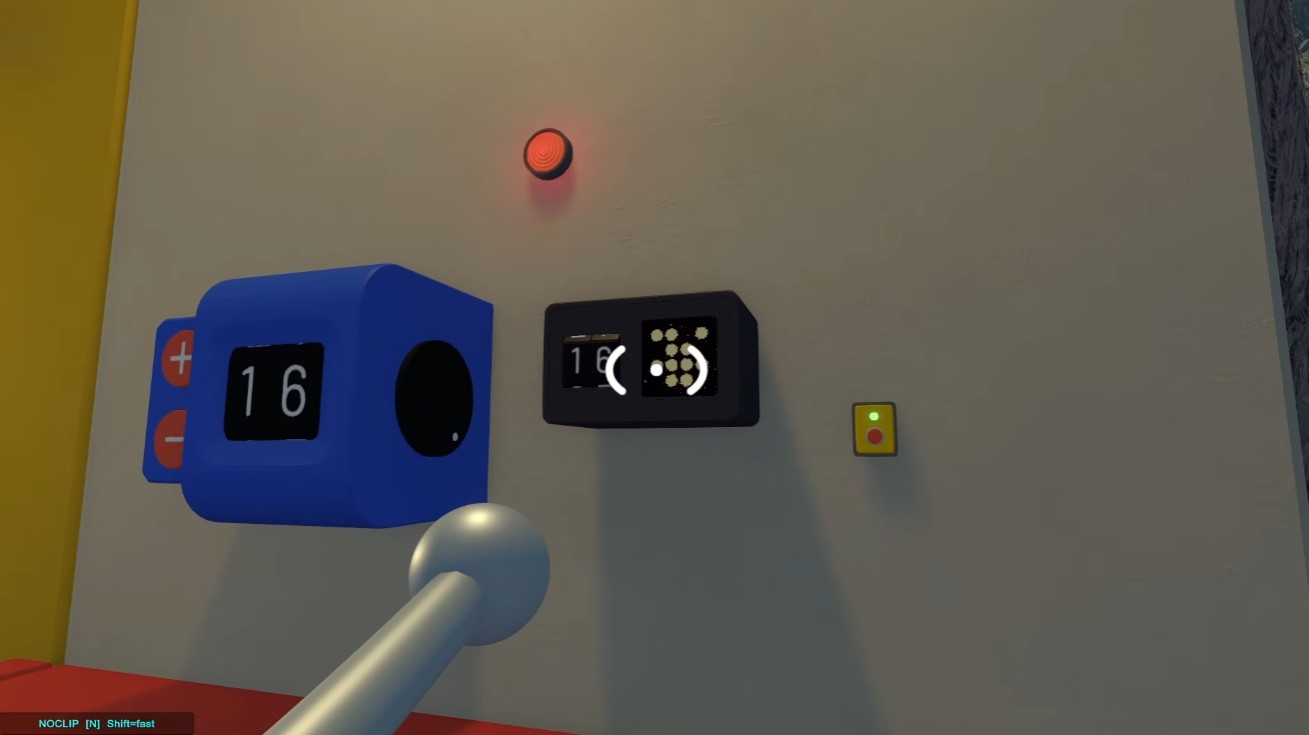
Tip: Always verify through the telescope before inputting the final number. The sky projection shows the full equation, and it’s far easier to catch a sign error there than after you’ve already committed to the tile.
Once the equation checks out, input the final result and press the button. The count will confirm, and the gourd drops just like a direct match.
Common Mistakes and Fixes
| Mistake | Consequence | Fix |
|---|---|---|
| Counting player loses track mid-sequence | No way to recover; timer continues | Restart the puzzle by leaving the room and re-entering |
| Partner inputs the symbol value instead of the count | Wrong number, failed attempt | Always input the count total, not the symbol’s board value |
| Skipping the telescope verification | Arithmetic errors go unnoticed | Always check the sky projection before final input |
| Starting the timer before both players are ready | Wasted attempt, forced restart | Confirm positions verbally before closing the door |
The yellow and white puzzle is forgiving in one sense: there’s no penalty for restarting. But each attempt costs you the full countdown sequence, and after the third or fourth restart, the tedium sets in. Get the counting player comfortable with calling numbers in rhythm, and the whole thing becomes routine.
More Guides:
- Big Walk Purple Gourd Guide: All 7 End-Game Puzzle Solutions & Locations
- Big Walk: How to Solve the 3259, 1883 2321, 1976 Red Coordinates Puzzle
- Big Walk: Microphone Puzzle Guide (the Red/White Dome Challenge)
- Big Walk Green Flare Puzzle Guide: How to Find the Hidden Seaside Box
- Big Walk: How to Solve the Green Seat Speaker Headphones Sound Button Puzzle


